
WTE Package Pumping Stations
Buildings that cannot achieve drainage via gravity need a pumping station to lift the water to a higher level and discharge to a sewer, drain or watercourse.
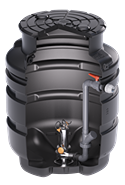
A pumping station, often referred to as a "packaged pumping station", consists of a tank that is fitted out with pump(s), pipework and valves. It is supplied as a complete unit for easy installation.
A typical sewage pumping station collects wastewater in an underground chamber and uses pumps to transfer it to the main sewer network.
Properly designed pumping stations help prevent flooding, protect the environment, and provide a dependable solution for managing sewage and wastewater where gravity drainage is not practical.
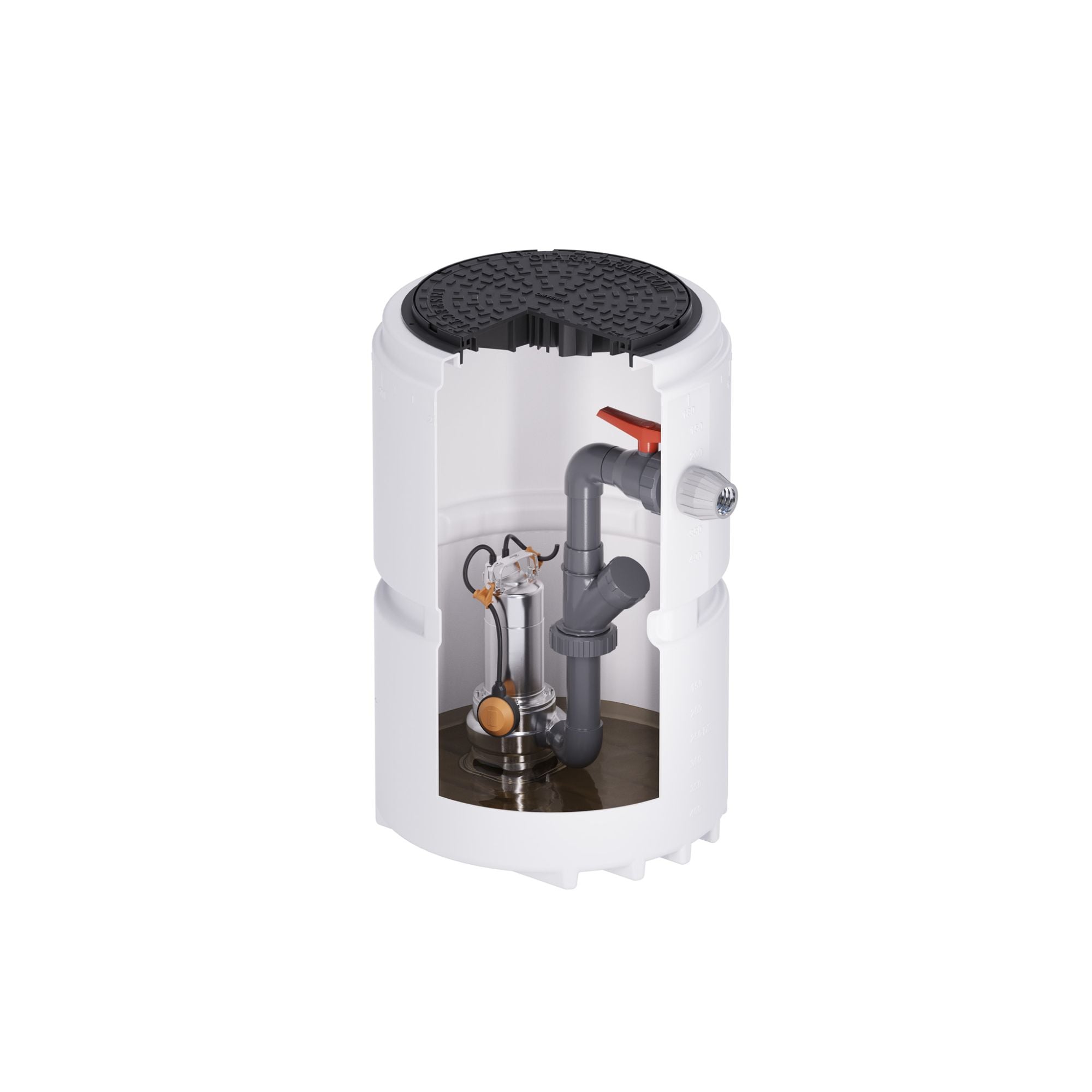
Mini Pumping Stations
Perfect for small applications - Extensions, Garden Rooms, Home Office/Gym, Basement drainage & Domestic houses.
Mini PumpMaster
Mini PumpStar
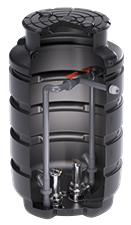
Standard Pumping Stations
Perfect for medium size applications - Domestic houses, Offices, Industrial Units, Restaurants, Etc.
PumpMaster
PumpStar
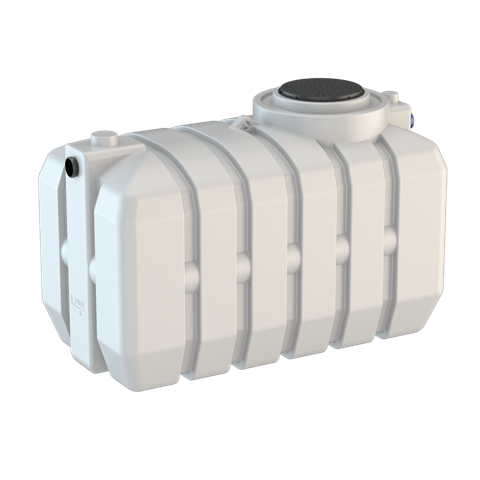
GRP Pumping Stations
Perfect for larger applications - Multiple Properties, Hotels, Campsites, Schools, Retail & Commercial.
PumpMaster GRP
What Is a Pumping Station?
A pumping station is a purpose-built system used to transport liquids such as sewage, foul water, grey water, or stormwater. In most applications, the station stores incoming wastewater in a chamber until it reaches a certain level. Once that level is reached, a pump activates and moves the wastewater to a higher discharge point.
A typical packaged pumping station includes:
A durable underground chamber (tank).
One or two submersible pumps.
Internal pipework and valves.
Level controls and alarms.

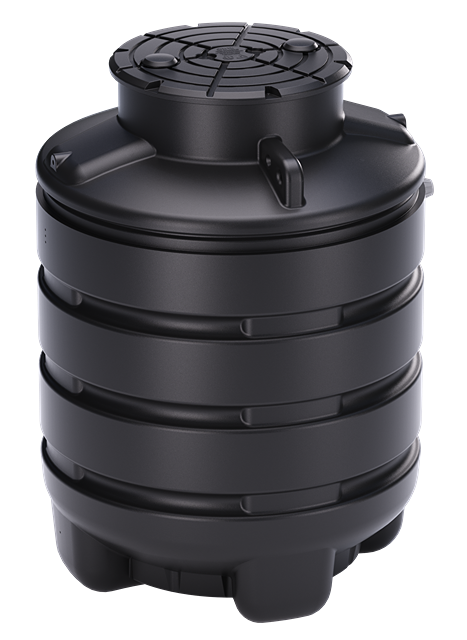
Where Pumping Stations Are Used
Pumping stations are used across a wide range of sectors and environments. Common applications include:
Domestic properties.
Basement conversions.
Garden rooms.
Extensions.
Campsites.
Commercial buildings.
Industrial facilities.
Schools and public buildings.
Off-mains drainage systems.
Sites connecting to sewage treatment plants.
In all of these settings, the main purpose of a pumping station is the same: to ensure water/wastewater is transferred safely and efficiently when gravity drainage is not possible.
Types of Pumping Stations
Pumping Stations can be very confusing because there are a lot of options.
The Size. Pumping Stations come in a range of sizes. WTE Pumping Stations range from 150L - 300,000L. The size of a Pumping Station depends on how much water (if any) is needed to be stored in the tank and/or the depth of the incoming drain pipe.
The number of pumps. Pumping Stations can be either Single (1 pump) or Twin (2 pumps). Single pump systems are cheaper but do not have the security and reliability of a twin pump system.
The type of pump. Pumping Stations can be supplied with many different types of pump depending on what has to be pumped, how far and how high. Sewage applications require either a solids handling or macerator pump whereas clean water does not.
Controls & alarms. There are a range of different control panels and alarms available. Twin Pump Stations always require a control panel to operate the system and this can be either a Basic or Professional unit. WTE always recommends that Pumping Stations are ordered with a High Level Alarm (HLA).
Benefits of Modern Pumping Stations
A well designed pumping station offers several important benefits. It allows sites with drainage constraints to connect to the sewer network or treatment system without major redesign. It also helps protect properties from wastewater back-up and flooding.
Key benefits include:
Reliable wastewater transfer.
Efficient operation.
Reduced risk of flooding.
Suitable for domestic and commercial use.
Available as compact packaged systems.
Designed for long service life.
Easy access for maintenance and servicing.
Modern pumping stations are also designed with advanced controls, alarms, and monitoring systems to improve performance and reduce downtime.
Choosing the Right Pumping Station
Choosing the right sewage pumping station depends on several factors, including the type of water, the size of the site, the pumping distance, and the required flow rate. It is important to select a system that is correctly sized for the application to ensure efficient performance and minimise maintenance issues over time.
Please contact us to if you need advice.
Installation, Commissioning & Maintenance
Correct installation is essential for the long-term performance of any pumping station. The system must be installed correctly and compliant with regulations.
We recommend that all our Pumping Stations commissioned
Routine pumping station maintenance may include checking pumps, controls, float switches, alarms, valves, and pipework. Preventative maintenance helps extend equipment life and ensures the pumping station continues to operate safely and effectively.