From
£912.00

Septic tanks are traditional wastewater systems used by properties not connected to the mains sewer. However, many older systems in the UK are now restricted or non-compliant under current environmental regulations.
At WTE, we help homeowners, buyers, and developers understand whether an existing septic tank is legal, what upgrades may be required, and which modern, compliant alternatives are available. With over 30 years’ experience designing and manufacturing wastewater treatment systems in the UK, we provide clear, practical guidance for off-mains properties nationwide.
Below are the most common septic tank upgrade and replacement options designed to meet current UK standards:


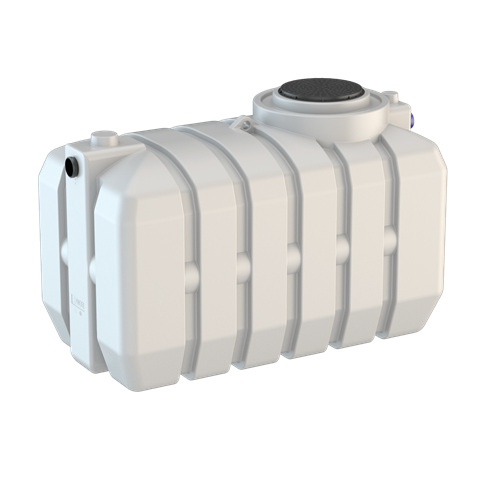
A septic tank is a basic, on-site wastewater system used by properties that are not connected to the mains sewer. In the UK, septic tanks were traditionally installed at rural homes and small developments to collect and partially treat domestic sewage.
Wastewater from toilets, sinks, showers, washing machines, and dishwashers flows into the tank, where it separates into three layers. Heavier solids settle at the bottom to form sludge, while fats, oils, and grease rise to the top as a floating scum layer. The partially clarified liquid effluent remains in the middle.
As new wastewater enters the tank, an equal volume of effluent is displaced and flows out through the outlet pipe into a drainage field (also known as a soakaway). Here, the effluent disperses into the surrounding soil, where further treatment occurs naturally through filtration and microbial activity.
Unlike modern sewage treatment plants, septic tanks only provide primary treatment. This means the discharged effluent is still biologically active and potentially polluting, which is why septic tanks must not discharge directly to surface water such as streams, ditches, or rivers.
Because of these limitations, many older septic tank systems no longer meet current UK environmental standards, particularly where ground conditions are poor or effluent reaches surface water. In these cases, upgrading to a sewage treatment plant or installing a certified septic tank conversion unit may be required to remain compliant.
Septic tanks are still permitted in certain situations, but strict rules apply under the Environment Agency’s General Binding Rules.
If a septic tank discharges directly or indirectly into a ditch, stream, river, or other surface water, it is not compliant and must be replaced or upgraded. This requirement also applies when a property is sold, which is why many septic tank issues only come to light during conveyancing.
In addition, septic tanks are not allowed in:
Groundwater Source Protection Zones
Flood plains
Sites that fail mandatory drainage field tests
Because of these restrictions, installing a new septic tank is often not possible, and many properties now require a sewage treatment tank or a septic tank conversion unit instead.
Every site is different, and many septic tank systems no longer meet current UK regulations, with issues often only surfacing during a property sale. Getting expert advice early can save time, stress, and unexpected costs.
WTE designs and supplies compliant wastewater solutions tailored to real-world conditions across the UK. Our specialists can assess your system, explain your legal obligations, and recommend the most appropriate next steps, whether that’s a survey, conversion unit, or alternative treatment system.
Get clarity before it becomes a problem and speak to our friendly team today.
In most cases, no. Installing a new or replacement septic tank is now restricted across much of the UK due to environmental protection rules. Septic tanks are not permitted in areas with high water tables, clay soils, flood plains, or Groundwater Source Protection Zones, which exist to protect public drinking water supplies.
Because of these limitations, many properties are no longer suitable for septic tanks and instead require a sewage treatment tank or a septic tank conversion unit. If you’re unsure what’s allowed at your site, it’s best to seek expert advice before proceeding.
If you are buying a property with a septic tank, an independent specialist septic tank survey is strongly recommended. The survey checks whether the system complies with the Environment Agency’s General Binding Rules and meets Building Regulations (including Section H2 and BS 6297).
Many septic tank issues only come to light during conveyancing, when a buyer’s solicitor requests confirmation that the system is legal. Over 50% of septic tank systems fail these surveys, often resulting in unexpected upgrade costs or delays to the sale. A professional survey can help you avoid costly surprises later.
In England, most small septic tank discharges no longer require permits, as they are now regulated under the Environment Agency’s General Binding Rules. Permits are only required for larger discharges, typically where more than 2 cubic metres of effluent per day is discharged to ground (around the equivalent of 13 people).
In Wales and Scotland, septic tanks and small wastewater systems still require registration with the relevant environmental authority. Requirements vary by location, so it’s important to check local rules before buying, selling, or upgrading a system.
If your septic tank does not meet current regulations, you may be able to upgrade it using a septic tank conversion unit rather than replacing the entire system. Conversion options include electric and non-electric sewage treatment systems that treat effluent to a legal standard and allow compliant discharge.
WTE designs and manufactures several approved conversion solutions, and our team can advise on the most cost-effective option for your property.